630-665-2500
128D S. County Farm Road, Wheaton, IL 60187

Recent Blog Posts
What Are the Benefits of a Special Needs Trust?
 There are many cases where a person may wish to help provide for the needs of loved ones who have special needs. Since people with physical disabilities, mental impairments, or other conditions may be unable to work and earn an income, they may struggle to provide for themselves. To ensure that a person’s ongoing needs will be met, family members may wish to step in and provide financial assistance. However, they may not realize that giving money to a person, buying items for them to use, or otherwise providing them with financial support may disqualify them from receiving government aid. To preserve a person’s right to receive public benefits, family members may create a special needs trust. Setting up this type of trust can be an important part of the estate planning process.
Why Should I Use a Special Needs Trust?
People who suffer from disabilities that affect their ability to maintain gainful employment may qualify for multiple types of benefits. However, to receive these types of benefits, they will usually need to show that they have limited financial resources. For example, to qualify for Supplemental Security Income (SSI) through Social Security, a person’s financial resources must be under $2,000. Because of this, a family member who gifts a significant amount of money or property to a person with special needs may cause the person to be ineligible for SSI or other benefits.
How Can a Mechanic’s Lien Affect a Residential Real Estate Transaction?
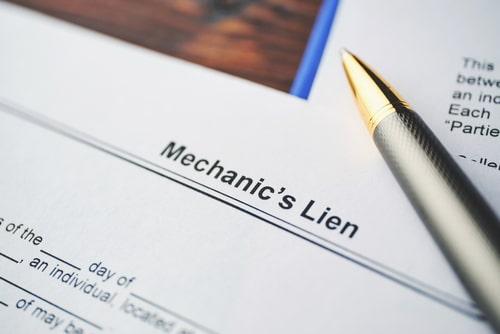 There are many different legal and financial issues that may play a role in a residential real estate transaction. Before a home can be sold, any encumbrances against the property must be cleared. In many cases, these encumbrances take the form of liens or debts that the current property owner owes to another party. Mechanic’s liens are one type of encumbrance that many people may not be aware of, and by understanding these types of liens, property owners can be sure they are prepared to address them properly and avoid any issues that may affect their ability to sell their home.
What Is a Mechanic’s Lien?
When work is performed on a home or property, a contractor has the right to seek repayment for this work. If a homeowner or property owner does not fully pay for work, the contractor may place a mechanic’s lien on the property to recover what is owed. Subcontractors or suppliers may also use mechanic’s liens to recover money that was not paid to them by a general contractor, meaning that in some cases, homeowners may be responsible for paying these amounts, even if they paid their contractor in full.
What is Required of an Estate Executor in DuPage County?
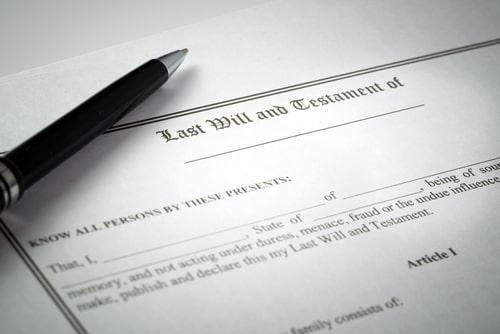 Many family members are burdened with the task of organizing and managing the estates of deceased loved ones. Creating a will ahead of time and communicating with those who will be administering the estate helps to prepare loved ones for their responsibilities. An important role of fulfilling an estate is the role of executor. Appointed executors should have a thorough understanding of what is expected of them and what challenges they may face.
Appointing an Executor to an Estate
When a person dies, an executor is appointed to administer and direct the deceased’s last will and testament. Primarily, the executor is responsible for fulfilling the wishes of the deceased and managing necessary affairs. The will’s creator or the court will appoint an executor.
In Illinois, a court-supervised procedure, referred to as probate, may be required in the event of a death and typically is initiated by the executor. Through probate, numerous decisions are made on the behalf of the deceased, including decisions about inheritances and taxes.
What to Know About Illinois Foreclosures
ment. Once the specified grace period has passed, however, the homeowner may be subjected to a late fee. This late fee can then be accrued each month the loan goes unpaid. Lenders may also perform property inspections to determine if the home is still occupied and properly maintained.
What are a Homeowner’s Contractual Rights During Foreclosure?
Due to the documents signed when buying a residential property such as a promissory note and mortgage, rights and protections are also granted to the homeowner.
An Illinois homeowner facing foreclosure will likely have the right to receive a preforeclosure notice. This notice is referred to as a “breach letter”. The letter notifies the homeowner that their loan has defaulted and allows the homeowner time to correct this before a lender can move forward with the foreclosure.
Other rights that homeowners are typically guaranteed include:
-
The right to apply for loss mitigation
How Can a Living Will Help Plan for Future Medical Decisions?
 If there comes a time when you are unable to speak or make decisions for yourself, you will want directives in place that included pre-established decisions. A living will is a document that establishes a person’s medical care preferences should they be unable to communicate their desires. Living wills are one of many estate planning tools that an adult of any age can start preparing. With the guidance of a well-equipped attorney, living wills can be adequately formed and adjusted.
Purpose of a Living Will
A living will allows a person to still obtain the preferred medical treatment and prevents unnecessary hardship on an individual and their loved ones. Living wills allow a person to have their preferences met in a time they can no longer speak for themselves and also relieves their loved ones of the decision-making burden.
The durable power of attorney is a major component of an effective living will. This allows an individual to delegate another person to oversee that their wishes are met in terms of healthcare. The extent of authority that this agent is granted is at the discretion of the living will’s creator. If comprehensive authority is granted, the patient advocate will likely be permitted to consent or refuse consent to any treatment that affects physical or mental health, hire or fire any medical personnel, make choices regarding the best medical facilities for the patient, and more.
What Are the Legal Requirements for a Last Will and Testament?
 Writing your own will can seem like an intimidating process. Before starting, it is important to be fully aware of the purpose of the will, the will’s consequences, and the legal requirements that must be met. Take some time to study the needed steps required to fulfill your wishes after death and make the best decisions for yourself.
What Is the Purpose of a Will?
After death, a will allows you to control the distribution of your assets. Included in the will is the nomination of a trusted executor who will carry this distribution task out for you. Among other duties, this executor will also appoint a guardian to any minor children you may have. In essence, wills are designed to protect your family and your property. The Illinois state “intestacy” laws will come into effect if you do not create a will before you pass. Intestacy laws distribute your assets to your closest relatives.
What Are the Risks and Benefits of Buying a Home at Auction?
 When an individual falls behind on his or her mortgage payments, the lender may foreclose on the home and the home may be sold at auction. If you are interested in buying a home, you may be interested in participating in one of these foreclosure auctions. The process of buying a home at an auction is much more complicated than it may seem. It is important for anyone considering this option to fully evaluate the possible risks and benefits associated with buying a home at auction.
You May Not Be Able to See the Home Before You Buy It
One of the biggest risks associated with buying a house at auction is that potential buyers often have little information to go off of. The auction notice may offer some property information. However, there is no way to know exactly what type of condition the property is in. Potential buyers cannot have the home inspected. In most cases, they are not even allowed to walk through the home to evaluate the interior of the house. Many enthusiastic buyers have been shocked to realize that a home they thought was a great deal actually needs tens of thousands of dollars of cleaning and repairs. Because you cannot see the condition of the home, it is very difficult to accurately estimate the value of the home and offer a reasonable bid.
Understanding the Laws Surrounding Probate in Illinois
 At some point, we will all have someone in our lives that passes away. When you have a close friend or family member pass away, you may be the person responsible for managing their affairs after they are gone. All of the things that they left behind are part of their estate, which must be settled after they pass away. Many people believe that probate is a long and tedious process. While it is true that it can be complicated, the probate process can also be simplified with help from a skilled Illinois probate attorney.
What Is the Probate Process?
When a person dies, someone will be responsible for settling that person’s estate. One of the ways that this can happen is through the probate process. Probate is a legal process that some assets must go through in order to settle a person’s estate. In the simplest terms, probate is the process that the court uses to confirm that a person’s estate is being distributed as intended in their will.
What Are Closing Costs Used For in Illinois Real Estate Transactions?
 When you are a first-time homebuyer, the experience of shopping for your home can be confusing and overwhelming. While you are probably excited to find a place that you can make your home, you are also likely to be very cognizant of the financial side of things. Things such as the interest rate of your mortgage, taxes on the property, and the cost of the home itself can all affect how much you can expect to pay for your home. However, there are also other costs that many people forget about during the home buying process - closing costs. Understanding what your closing costs are and what the funds are used for is an important step toward purchasing a home.
What Are Closing Costs?
When you purchase a home, there are certain fees associated with the closing, or finalization, of the purchase. These costs together are typically referred to as closing costs and include a variety of fees and charges. In general, closing costs usually total to be around 2 to 5 percent of the total purchase price of the home, though the final costs largely depend on the location you are purchasing the home and other factors.
Do I Need a Power of Attorney for My Estate Plan in Illinois?
 When you think of estate planning, many people jump directly to a will. While a will can be an important part of your estate plan, you should also consider implementing a power of attorney and adding it to your plan. Many people may not be familiar with powers of attorney, but they can be an essential part of any estate plan. A power of attorney is a document that allows another person to make a decision on your behalf if you are unable to do so yourself. There are various types of powers of attorney that you could enact depending on your situation and your needs. If you are thinking of adding a power of attorney to your estate plan, hiring a knowledgeable estate planning lawyer is your best option for creating a valid and enforceable power of attorney.
What Is a Power of Attorney?
In basic terms, a power of attorney is a document that gives another person the power to make certain decisions for you if you are unable to do so yourself. The person you give these powers to, usually referred to as your “agent” or “attorney-in-fact,” is a person of your choosing. In many cases, a person may designate their spouse or child to be their power of attorney. You can also customize your power of attorney to include (or exclude) certain decision-making powers.