630-665-2500
128D S. County Farm Road, Wheaton, IL 60187

Recent Blog Posts
When is Probate Necessary in Illinois?
 Probate is a court-supervised procedure in which the court determines who is supposed to inherit the assets of a deceased person. Though not always necessary, it is sometimes required. The following sections can help you learn more about the probate process in Illinois, including when it may be needed and how a seasoned attorney can help improve the outcome for entitled heirs.
When is Probate Necessary?
Illinois’ probate laws are not dependent upon whether there was a valid will at the time of a person’s death. Instead, they focus on the assets that the individual owned and how they were titled. For example, assets that are found to be joint- or entirety-owned may be distributed without probate. Assets held in trust, assets assigned to a designated beneficiary (i.e. retirement accounts), and real estate assets with a transfer-on-death deed may be distributed without a will or probate as well. In contrast, an estate may be required to go through probate if:
Purchasing Investment Property - Five Considerations to Make Before You Buy
 Investing in real estate can be a lucrative move for the financially savvy, but for those that fail to do their homework, there is a risk of severe financial loss. Learn how you can be a part of the former group of investors, rather than the latter, by avoiding some of the most common real estate investment pitfalls. You shall also discover how an experienced attorney can help reduce the risk of complications in your next real estate transaction.
How Much Will It Cost?
Calculating the cost of a property can get a little complex, especially for the novice investor. That is because there is more to cost than the sale price, closing costs, and title fees. There could be zoning problems that need to be corrected before you can rent or sell the property, and distressed properties, which are common in the real estate investment sector, could have more damage than you initially thought. As such, investors are encouraged to perform their due diligence before purchasing an investment property, especially if it needs repairs.
Understanding the Risks of DIY Estate Planning
 In a world where people are increasingly reliant upon the internet for their personal, financial, and business needs, do-it-yourself estate planning may seem like the fastest, easiest, and least expensive option for drafting a will or trust. Unfortunately, this is rarely the case. Do-it-yourself estate planning options can rarely accommodate the unique needs of individuals, and they can leave the surviving family susceptible to all sorts of complications. Learn more about the risks that one may assume under a DIY estate plan, and discover how the assistance of a seasoned estate planning lawyer can reduce the risk of probate issues for your loved ones.
Overlooking Potential Issues
In a DIY estate plan, individuals usually rely on the prompts of a computer. If they respond incorrectly, do not understand the verbiage of a specific question, or if the computer fails to ask the appropriate questions, there could be potential issues in the future. As an example, consider the estate plan in which one names only primary beneficiaries. If something happens to the named parties and a successor or contingent was not named, the estate could go to probate.
Why Hire an Attorney When Buying or Selling Residential Property?
 As a consumer, you make hundreds - if not thousands - of purchases each year. Some are small and require nothing more than your debit card, credit card, or cash payment. Others, such as the purchase and sale of residential property, require a larger investment. Learn how the aid of an experienced real estate attorney can protect that investment while also decreasing the chances of costly or unexpected delays and challenges along the way.
Practicing Your Due Diligence
Anyone that has ever purchased a used car knows that there is always a risk of purchasing a "lemon" - a vehicle that never seems to run properly and always needs repairs. Sadly, not everyone knows that this can happen with houses, too. A home with the gorgeous wainscoting could be hiding mold or fire damage underneath. Structures that do not give much access to the crawl space could have more foundation issues than originally thought. Due diligence, performed with the aid of an attorney, can reduce the risk of these costly and unexpected problems.
What is a Titanic Clause and Do You Need One in Your Estate Plan?
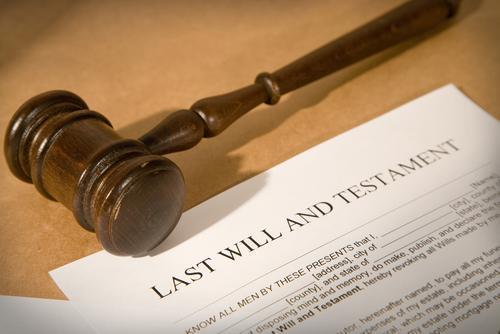 Estate planning can be a complex and frustrating process - and not just because you must follow the letter of the law when creating your documents. Instead, there are numerous challenges and obstacles to consider and anticipate. For example, you could create a comprehensive will that clearly outlines your wishes, only to have it contested in court, which could send the estate to probate and ultimately decrease its overall value. Learn how a Titanic clause can reduce the risk of this happening to your heirs, and discover how an experienced wills and trusts lawyer can help you add one to your current (or future) estate plan.
What is a Titanic Clause?
Titanic clauses are designed to deal with "worst-case scenarios" in estate planning, such as all your heirs dying before your estate can be distributed. They can also address when the state should direct funds to another agency or organization (i.e. your favorite non-profit), rather than attempt to find additional heirs for your estate. Not only can this reduce your risk of probate, it can also reduce the chances that your assets will go to an unintended party, or a family member that you do not know and have never heard of or met. Most individuals are encouraged to have a Titanic clause in their estate plan - even if the value of their estate is small - but it can be especially crucial for those with a high-value estate.
Wills and Living Trusts - Do You Need Both?
 Estate planning is a complex and highly personalized process (at least it should be), and that means that no two estate plans are exactly the same. However, there are similarities and generalized information that one can use to determine which estate planning option may be most appropriate for their situation.
Consider, for example, the comparison of a will and living trust. Each strategy works the same, regardless of your situation, but your situation may warrant that you use one document or the other. Also, there may be certain scenarios in which both strategies are needed. Learn more about when this may occur, and discover how our seasoned estate planning lawyers can assist you in developing an estate plan that suits your needs.
Comparing Wills and Living Trusts
No Children? Do Not Skip the Estate Planning Process
 People who do not have children often assume that their assets will go directly to their spouse, so an estate plan is not needed. Unfortunately, nothing could be further from the truth. Learn why it is still important that you consider the future of your estate, even when you do not have children, and discover how an experienced wills and trusts lawyer can assist you with the development of your estate plan.
What Happens to Assets When You Do Not Have an Estate Plan?
When someone dies without a valid will or trust in place, their assets typically go to their spouse. Unfortunately, there are situations that could prevent them from obtaining the assets. Examples include an ex-spouse that is still listed as a beneficiary on a retirement plan and probate challenges from extended family members who were not intended beneficiaries.
Uncertainty and Changing Tax Laws Should Not Delay Estate Planning
 While some people may be rejoicing the recent pass-through of the House's Tax Cut and Jobs Act, others may be experiencing uncertainty over the future. Sadly, this apprehension can cause those individuals to delay or even completely forgo estate planning. Learn why this is usually a poor decision, gain insight on how the bill might affect your heirs if it is passed into law, and discover what an experienced attorney can do to protect your family after your death.
The Danger of Estate Planning Delays
It can be tempting to put off estate planning, especially if you are young and healthy, but doing so can have dire consequences. Accidents occur, and even the healthiest of people can suffer a tragic illness. If one occurs and you pass away or are rendered incapacitated, you and your heirs may suffer. For example, there may be no one to make medical decisions for you, so you may be forced to endure the standard of care, despite not wanting resuscitation. Another possible consequence is that your family could be left without access to money for bills and daily expenses if you have not named a power of attorney. Thankfully, such issues can be mitigated against (and perhaps even avoided altogether) with a carefully thought-out estate plan.
Cybercrimes in the Real Estate Market - What Homebuyers Should Know
 Cybercrimes may not be a new issue, but they have become more prominent over the past few years. In fact, you may have even heard about some of the biggest breaches, such as those that happened to Equifax and Yahoo. What you may not know is that these crimes are found in almost every industry, including the real estate industry, and changing your passwords, freezing your credit report, and upgrading your computer security may not save you. Learn what homebuyers are up against and discover how you can protect yourself during the closing transaction on your new home purchase.
Beware of Real Estate Closing Transaction Scams
Over the past year, hackers have intercepted more than $1 billion in real estate transaction money. Mostly, they target large transactions, but even smaller ones can be at risk. Two recent cases - one last May, in which a couple lost $1.57 million on a wire transfer of their settlement funds and one in January, in which a Denver couple lost $272,536 of their down payment - are prime examples of just how varied the targeted transactions can be.
Estate Planning for College - Why Every Young Adult Needs a Will
 Most people assume that estate planning is only needed when you are old and nearing death or retirement. Quite the opposite is true, however. In fact, adults of all ages - even those just heading off for college - should have a comprehensive estate plan in place. Learn why, discover what estate planning documents are important, and see how an experienced estate planning attorney can help you get started.
Why Estate Planning is Important for Young Adults
Young adults may not have a lot of assets or possessions to speak of; they may not even have an income, but they still need an estate plan. The reason for this is simple: like everyone else, they still run the risk of incapacitation, should an accident or injury occur. Without the proper documents in place, parents may be unable to obtain pertinent medical information about their adult child's condition or prognosis; they may also be denied the ability to make medical decisions for their child. Parents may also be denied access to their child's financial accounts, which could endanger the student's ability to return to school or dorm.